
Since 2014
Ten Years of Reliability Your Trusted Partner
Ten Years of Reliability Your Trusted Partner
The price of a reach stacker is determined by a multitude of factors, ranging from technical specifications and manufacturing costs to market dynamics and regional economic conditions. Below is a comprehensive breakdown of the key elements that influence the pricing of reach stackers:
1. Technical Specifications and Capacity
The most significant factor affecting the price of a reach stacker is its technical capabilities. Key specifications include lifting capacity (ranging from 30 to 50 tons or more), maximum lift height, stacking capability (how many containers it can stack in a row), and engine power. Higher-capacity models with advanced lifting mechanisms and greater stacking efficiency command premium prices due to their enhanced productivity and durability.
2. Engine Type and Emission Compliance
Reach stackers are powered by different engine types—diesel, electric, or hybrid. Diesel-powered models are the most common but are subject to stringent emission regulations (such as Euro VI or EPA Tier 4 standards), which can increase manufacturing costs. Electric reach stackers, while more environmentally friendly and cost-efficient in the long run, have higher upfront prices due to advanced battery technology.
3. Customization and Additional Features
Customizations such as specialized spreaders (for handling hazardous materials or heavy cargo), reinforced chassis, advanced cabin ergonomics (air-conditioning, joystick controls, enhanced visibility), or automation features (semi-autonomous operation, telematics for fleet management) add to the base price. Buyers requiring tailor-made solutions for specific operational environments (e.g., ports with extreme weather conditions) will face higher costs.
4. Import Duties, Taxes, and Shipping Costs
For buyers purchasing reach stackers from international manufacturers, import tariffs, shipping fees, and local taxes can substantially inflate the final price. Countries with high import duties on heavy machinery may see prices rise by 15-30% or more. Additionally, logistics for transporting such large equipment (often requiring disassembly and reassembly) contribute to overall expenses.
5. After-Sales Support and Warranty
Manufacturers offering extensive warranties, readily available spare parts, and localized service networks often price their machines higher. The assurance of minimal downtime due to prompt technical support justifies the premium.
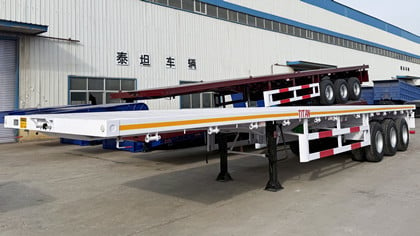
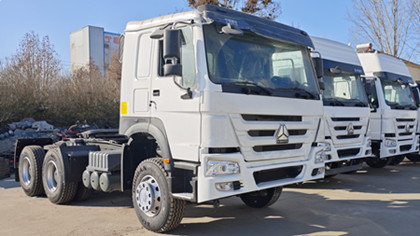
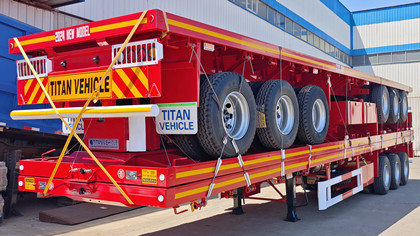
Shandong TITAN Vehicle Co., Ltd.
Wehcat/Whatsapp: +86 18660159635
Tel.: +86531-88997626

BOSS WeChat

Boss Whatsapp