
Since 2014
Ten Years of Reliability Your Trusted Partner
Ten Years of Reliability Your Trusted Partner
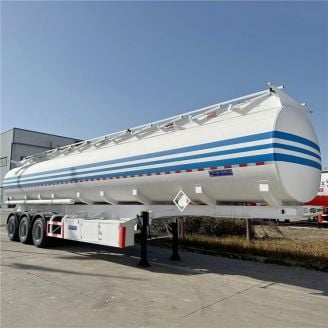
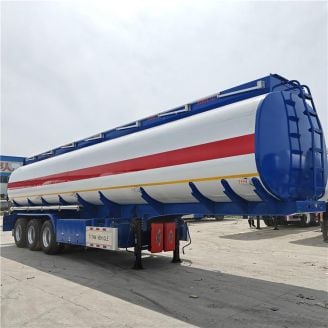
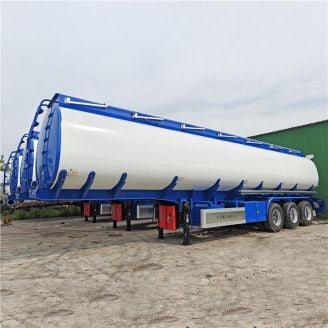
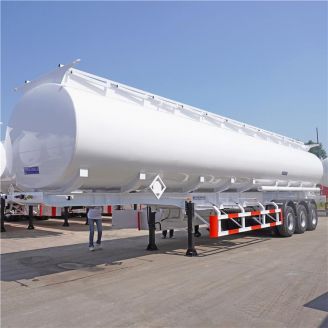
1. What's The Fuel Tanker Trailer
2. How Much Is A Fuel Tanker Trailer?
3. What Is The Typical Fuel Tanker Trailer Capacity?
4. Do You Need Carbon Steel Or Aluminum Tanker Trailer?
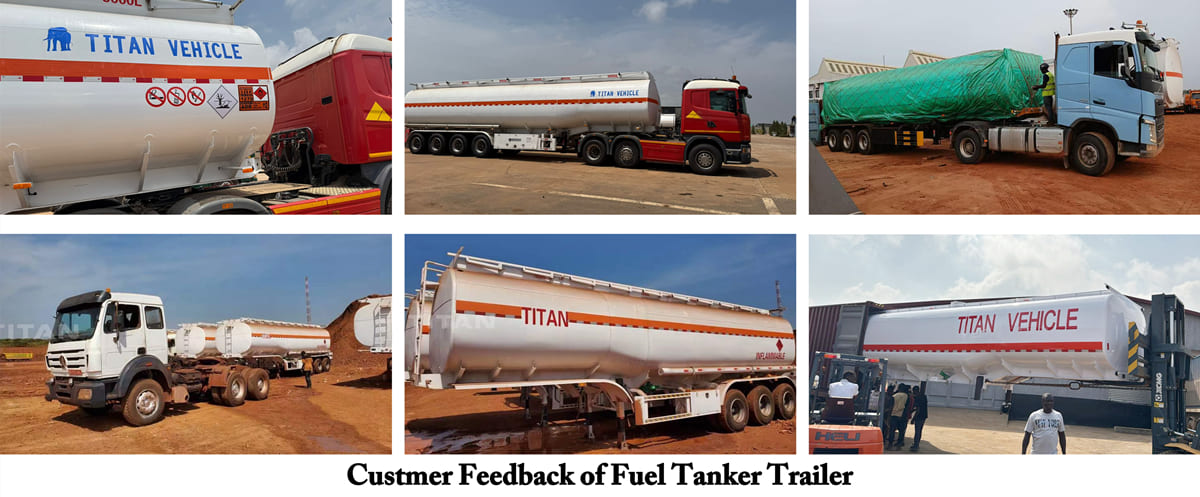
5. What Types Of Fuel Can Be Transported In A Fuel Tanker Trailer?
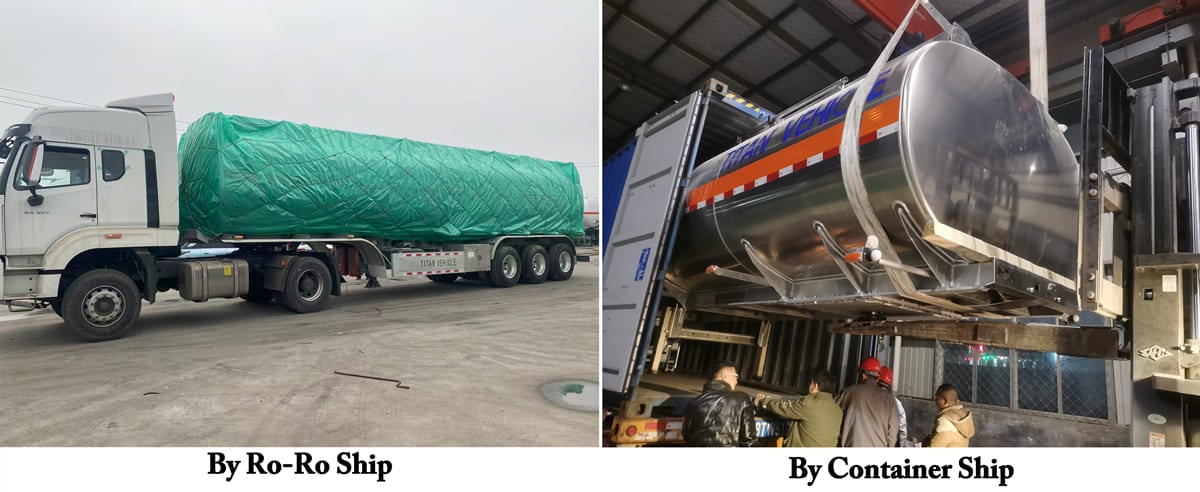
6. How Are Fuel Tanker Trailers Shipped And Delivered To Mali?
Fuel Tanker Trailer in Mali: Complete Guide to 40,000 Litre Fuel Tanker for Sale and Fuel Tanker Price
Mali is a landlocked West African country where reliable fuel transportation is essential for road freight, mining operations, construction projects, agricultural machinery, power generation, fuel stations, and regional petroleum distribution. Because most petroleum products entering Mali must travel significant distances by road, choosing the right fuel tanker trailer is directly related to transport efficiency, payload utilization, safety, operating cost, and long-term return on investment.
For buyers searching for a 40,000 litre fuel tanker for sale, the most important considerations are not only tank volume but also tank material, axle configuration, suspension, braking system, compartments, discharge equipment, safety equipment, and compatibility with the tractor truck. The actual fuel tanker price also depends on these specifications, the selected steel or aluminum structure, shipping method, and delivery requirements to Mali.
A fuel tanker trailer is a specialized semi-trailer designed to safely transport liquid petroleum products such as diesel, gasoline, kerosene, and other approved fuels between terminals, depots, fuel stations, mining sites, and industrial facilities. For Mali, a properly configured fuel tanker trailer should prioritize road durability, tank safety, payload efficiency, braking performance, and compatibility with local operating conditions.
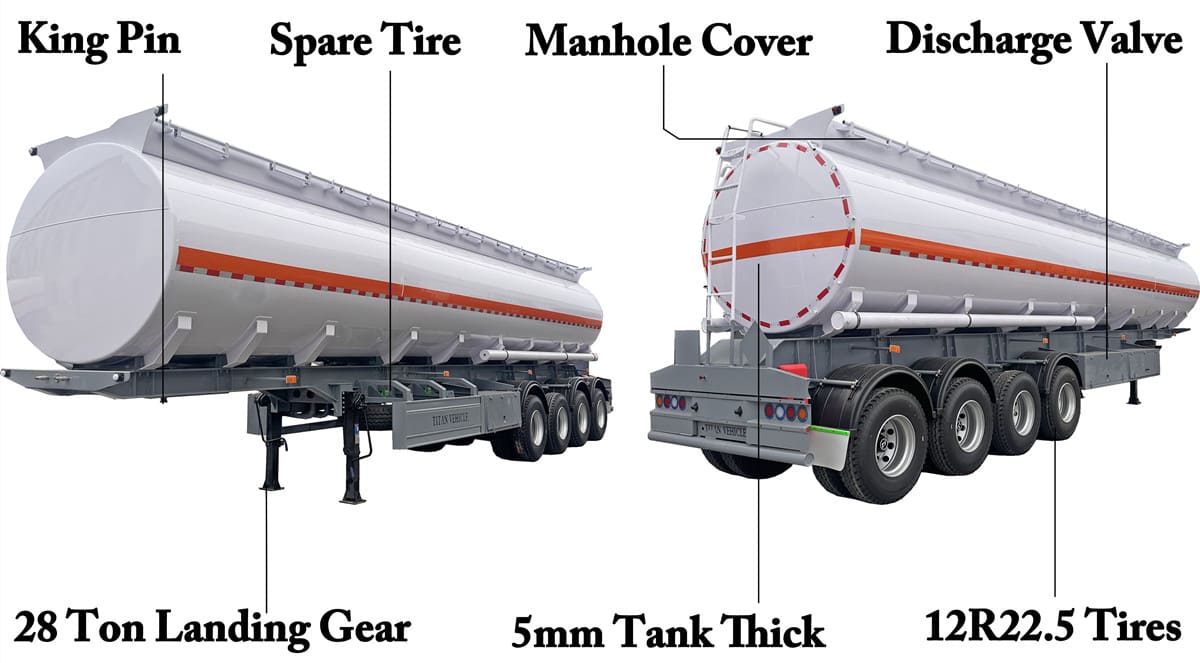
A fuel tanker trailer consists primarily of a tank body mounted on a heavy-duty trailer chassis. The tractor truck provides the pulling power, while the trailer carries the liquid cargo. Compared with an ordinary cargo trailer, a fuel tanker trailer is engineered specifically for liquid transportation. Its tank, manholes, valves, piping, discharge system, rollover protection, grounding system, suspension, and braking components are selected according to the characteristics of petroleum products and the operating environment.
For many Mali buyers, a 40,000 litre fuel tanker for sale is an attractive configuration because it provides a practical balance between transport capacity, road accessibility, axle loading, and fuel distribution efficiency. A 40,000-liter tank can be designed as a single-compartment or multi-compartment tanker. A multi-compartment configuration is especially useful when the operator needs to transport different petroleum products or different grades of fuel in one trip.
The structure of a typical fuel tanker trailer includes the tank shell, trailer frame, axles, suspension system, landing gear, kingpin, braking system, wheels and tires, discharge piping, manholes, valves, rear bumper, lighting system, safety equipment, and optional loading and unloading equipment. The tank itself may be manufactured from carbon steel, aluminum alloy, or other suitable materials depending on the cargo, required durability, weight target, regulations, and customer budget.
For Mali transportation, durability is particularly important. Long-distance road transportation can expose a fuel tanker trailer to vibration, uneven road surfaces, temperature variation, dust, and demanding operating conditions. A robust chassis and properly engineered suspension therefore have an important influence on service life.
A 40,000 liter tanker can also be divided into several chambers. For example, a four-compartment design may be configured for approximately 10,000 liters per compartment, while other combinations can be customized according to the customer's distribution requirements. This makes the 40,000 litre fuel tanker for sale suitable for operators supplying multiple fuel products to different customers.
For a 40,000 litre fuel tanker for sale in Mali, the trailer should also be matched with the tractor truck's engine power, fifth-wheel height, kingpin specification, electrical system, air-brake system, and gross combination weight. Compatibility between tractor and tanker is essential for safe operation.
Another important consideration is tank compartment design. If the tanker will only transport diesel, a single-product configuration may be economical. If the vehicle will supply different fuel stations, a multi-compartment tanker can improve distribution efficiency because one trip can carry multiple products.
The center of gravity also matters. Liquid cargo behaves differently from dry cargo because the fuel can move inside the tank during acceleration, braking, cornering, and uneven-road operation. Proper tank geometry and internal baffles help control liquid movement and improve vehicle stability.
For Mali, a robust fuel tanker trailer should therefore be viewed as a complete transportation system rather than simply a large metal tank. The chassis, tank, suspension, braking, valves, safety components, and discharge equipment all contribute to the actual performance of the vehicle.
 What's The Fuel Tanker Trailer
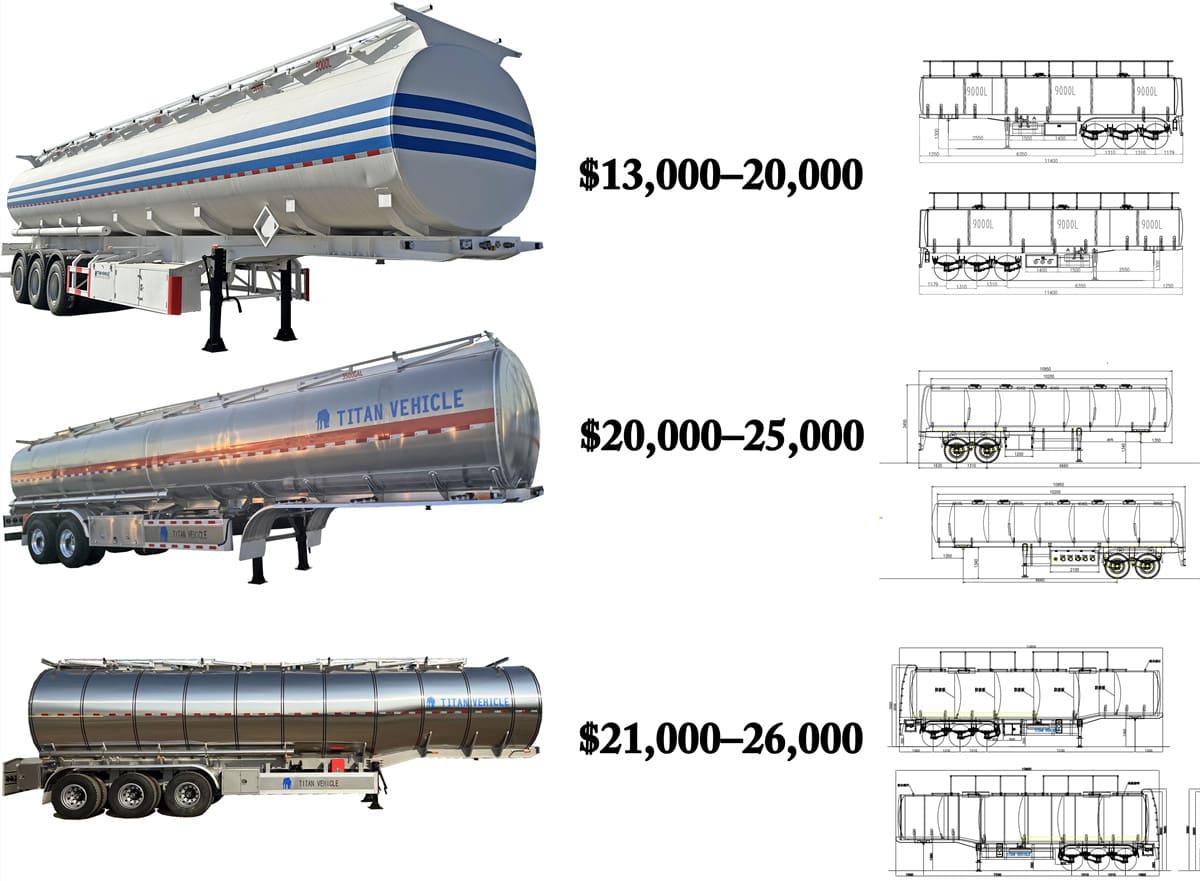
The fuel tanker price for a new trailer commonly depends on tank capacity, material, number of compartments, axle configuration, suspension, braking system, valves, discharge equipment, and customization. A practical 40,000 litre fuel tanker for sale can be priced significantly differently depending on whether it uses carbon steel or aluminum and whether it is equipped for basic or premium petroleum distribution.
There is no single universal fuel tanker price because two trailers with the same 40,000 liter capacity can have very different specifications. A basic carbon-steel tanker with standard mechanical suspension will normally cost less than an aluminum tanker equipped with advanced suspension, ABS/EBS, multiple compartments, bottom loading equipment, advanced valves, and additional safety systems.
For a buyer in Mali, the purchase budget should therefore be calculated based on the complete specification rather than tank capacity alone.
These figures are indicative factory-level ranges rather than a fixed quotation. Actual fuel tanker price depends on specifications, quantity, configuration, shipping terms, and destination.
For companies looking for a 40,000 litre fuel tanker for sale, carbon steel is often considered when durability and purchase cost are the primary concerns. Aluminum becomes more attractive when reducing tare weight and maximizing legal payload are important.
The fuel tanker price can also vary with the number of axles. A 3-axle tanker may be adequate for many applications, while a 4-axle configuration may be selected for higher payload requirements or specific road and axle-load considerations.
Suspension also affects the fuel tanker price. Mechanical suspension is generally simple, robust, and economical. Air suspension can provide better ride characteristics and may be selected when road conditions, cargo sensitivity, or fleet requirements justify the additional investment.
Braking equipment is another major factor. A basic air-brake system can keep the initial cost lower, while ABS or EBS can improve braking control and safety. For petroleum transportation, safety equipment should not be sacrificed simply to obtain the lowest possible fuel tanker price.
The tank's internal structure also affects cost. A single-compartment tanker is relatively straightforward. A multi-compartment fuel tanker trailer requires additional partitions, valves, piping, manholes, and control components, increasing manufacturing complexity and therefore the fuel tanker price.
Loading and unloading equipment can also significantly influence the final quotation. Some customers only require standard discharge valves, while others need a pump, flow meter, API couplers, bottom-loading equipment, vapor recovery equipment, hose reels, or other petroleum-handling systems.
For a Mali buyer, transportation costs should also be separated from the factory fuel tanker price. The final landed investment can include ocean freight, port charges, inland transportation, customs duties, insurance, clearance charges, and local delivery.
Therefore, when requesting a fuel tanker price, a Mali customer should provide the supplier with the intended capacity, tank material, compartment number, axle number, suspension, tractor compatibility, discharge system, fuel type, and delivery destination.
For a standard 40,000 litre fuel tanker for sale, a practical specification might include a carbon-steel tank, three axles, mechanical suspension, air brakes with ABS, four compartments, emergency shut-off valves, rear discharge piping, standard manholes, grounding equipment, fire extinguishers, and heavy-duty tires.
The cheapest fuel tanker price is not necessarily the lowest total cost of ownership. A tanker that requires frequent valve replacement, structural repairs, tire replacement, suspension maintenance, or corrosion treatment can become more expensive over several years.
 How Much Is A Fuel Tanker Trailer?
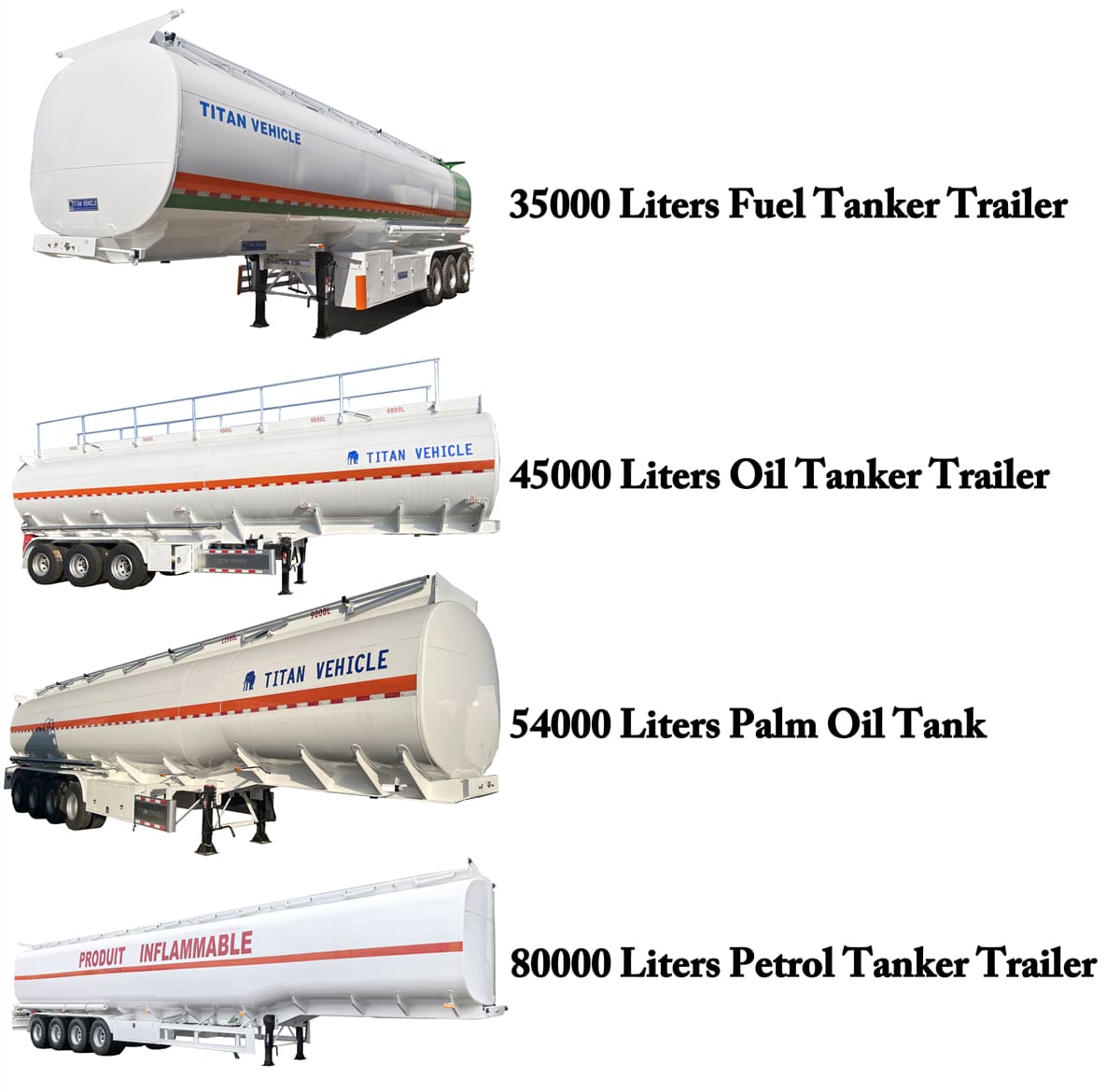
Common fuel tanker trailer capacities range from approximately 20,000 to 60,000 liters, while 30,000–45,000 liters are widely used for conventional petroleum distribution. A 40,000 litre fuel tanker for sale is one of the most practical configurations for large-volume fuel distribution because it offers strong carrying capacity without becoming unnecessarily oversized.
Tank capacity should be selected according to the customer's fuel distribution network, tractor capability, road conditions, legal axle limits, loading facilities, and required delivery volume.
For Mali, a 40,000 liter tanker can be a strong choice for operators transporting diesel, gasoline, or other compatible petroleum products from major fuel storage facilities to regional fuel stations, industrial customers, mining sites, construction projects, and remote communities.
Common Fuel Tanker Trailer Capacities
A 40,000 litre fuel tanker for sale can be configured as a single-compartment tanker or divided into several compartments. For example, a 40,000-liter tanker could be designed with four compartments of approximately 10,000 liters each, or another arrangement according to the customer's fuel distribution plan.
The advantage of a multi-compartment fuel tanker trailer is flexibility. A petroleum distributor may need to deliver diesel and gasoline to the same area but does not want to send separate trucks for every product. A compartmented tanker allows different approved products to be carried separately.
The number of compartments should not be selected only according to marketing preferences. Each additional compartment adds structural components and operating equipment. More compartments mean more valves, partitions, manholes, piping, and potential maintenance points. The best design is therefore the one that matches the actual distribution business.
Capacity also affects the fuel tanker price. Larger tanks generally require more material, stronger chassis components, and potentially additional axles. However, increasing capacity can reduce transportation cost per liter when the vehicle can legally carry the additional payload.
A 40,000 litre fuel tanker for sale should therefore be considered in terms of usable legal payload rather than only nominal tank volume. The actual amount of fuel that can be loaded depends on fuel density, tank design, gross vehicle weight restrictions, axle limits, and local transportation regulations.
Different fuels also have different densities. Diesel is generally heavier than gasoline, so a tanker designed around a particular volume may reach its legal weight limit with one product before it reaches the nominal tank capacity. This is an important consideration when planning a fleet.
The physical size of the tanker also matters. A larger tank can increase overall length, turning requirements, and maneuvering space. For urban fuel stations or locations with restricted access, a smaller tanker may be more practical. For long-distance highway distribution between terminals and major fuel depots, a 40,000-liter configuration can be more efficient.
For Mali, geography is another important consideration. The country has a large land area, and fuel may need to travel long distances between supply points and customers. Higher-capacity transportation can reduce the number of trips required, potentially improving fleet productivity.
A properly designed fuel tanker trailer should also include internal baffles where appropriate. Baffles can reduce liquid surge and help stabilize the load. This becomes particularly important as tank capacity increases.
 What Is The Typical Fuel Tanker Trailer Capacity?
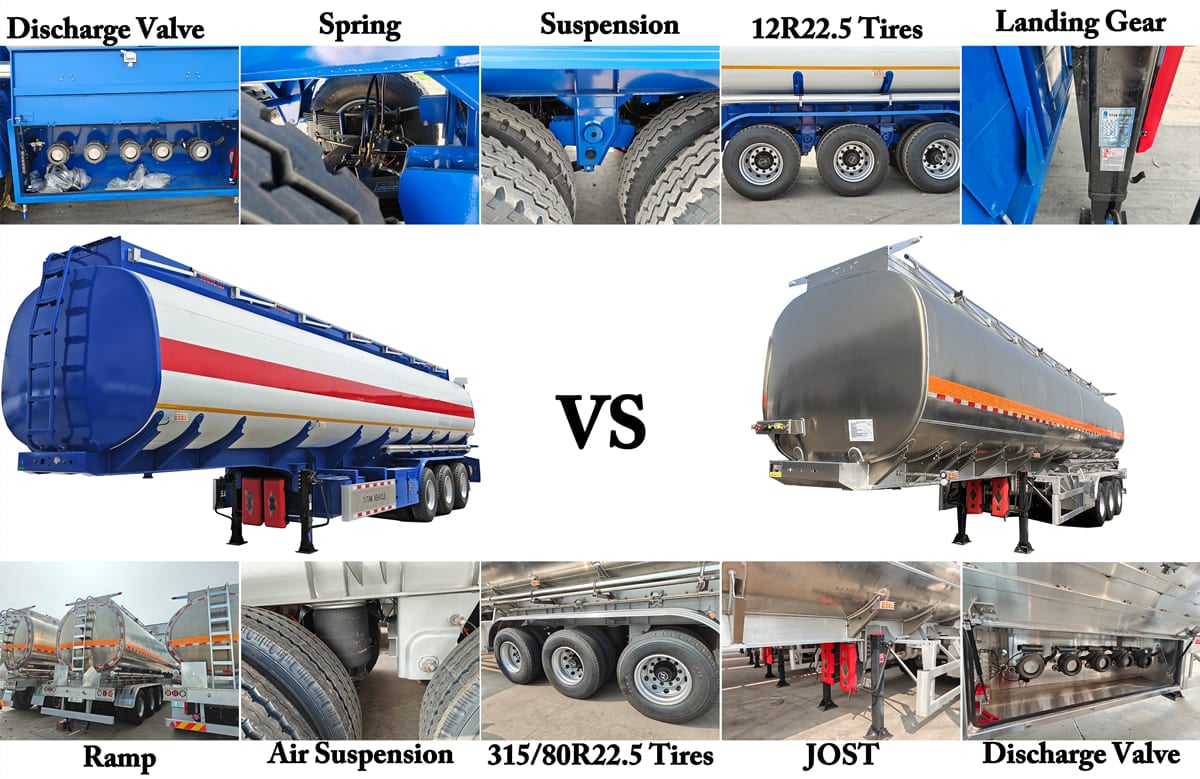
Carbon steel is usually the better choice when a Mali buyer prioritizes durability, lower initial fuel tanker price, easy repair, and heavy-duty operation, while aluminum is more suitable when reducing tare weight and maximizing legal payload are the main objectives. For many general fuel distribution applications in Mali, carbon steel provides a strong balance of cost and durability.
The choice between carbon steel and aluminum is one of the most important decisions when ordering a fuel tanker trailer. Both materials can be used for petroleum transportation, but they offer different advantages.
Carbon steel has a long history in heavy-duty tanker manufacturing because of its strength, durability, relatively low material cost, and ease of fabrication. It is commonly selected for fuel transportation fleets where the trailer may operate under demanding road conditions.
For a 40,000 litre fuel tanker for sale, carbon steel can provide a strong and economical structure. The chassis and tank can be engineered to withstand repeated loading, unloading, road vibration, and long-distance transportation.
The main disadvantage of carbon steel is its higher tare weight compared with aluminum. A heavier tanker leaves less potential payload within a given gross weight limit. Carbon steel also requires appropriate surface treatment and corrosion protection.
Aluminum alloy is significantly lighter. For operators working under strict gross-weight limits, reducing trailer tare weight can allow more fuel to be transported legally. This can improve payload efficiency and potentially reduce transportation cost per liter.
However, aluminum generally costs more, and the initial fuel tanker price can therefore be higher. Repairs may also require specialized welding skills, depending on the alloy and structural design.
For many Mali customers, carbon steel is a practical choice because the transportation environment may require a robust trailer that can be maintained using widely available heavy-vehicle repair resources.
A carbon-steel fuel tanker trailer can also be repaired more easily in many workshops. If the tanker is expected to operate for many years in demanding conditions, straightforward repairability can be more valuable than minimizing tare weight.
Aluminum becomes especially attractive when fuel is transported over long distances and payload efficiency is a major part of the business model. If the operator repeatedly carries high-value fuel over thousands of kilometers, the weight saving can accumulate into significant operational benefits.
For customers searching for a 40,000 litre fuel tanker for sale, carbon steel is usually recommended for standard petroleum transportation when budget, durability, and maintainability are the priority. Aluminum can be recommended when the customer has strict payload requirements and is willing to pay a higher initial fuel tanker price for lower tare weight.
Surface treatment is also important for carbon-steel tankers. A suitable external coating system helps protect the structure from environmental exposure and extends service life. Internal compatibility with the intended fuel must also be considered during manufacturing.
The material of the tank is not the only structural consideration. The chassis, axles, suspension, cross members, tank supports, rear protection, and mounting points all need to be properly engineered. A premium tank material cannot compensate for an inadequately designed chassis.
For petroleum transportation in Mali, the overall configuration should also consider heat exposure, dust, road vibration, maintenance availability, and operating distance.
However, if the customer's priority is maximum payload, the higher cost of aluminum may be justified. A professional manufacturer should calculate the expected payload advantage and compare it with the additional purchase cost before recommending aluminum.
 Carbon Steel Tanker Trailer VS Aluminum Tanker Trailer
A properly designed fuel tanker trailer can transport approved petroleum products such as diesel, gasoline, kerosene, and other compatible liquid fuels, provided the tank material, valves, seals, compartments, loading equipment, and safety systems are suitable for the specific product. A 40,000 litre fuel tanker for sale should always be specified according to the actual fuel cargo rather than assuming every petroleum product is identical.
The most common cargo for a fuel tanker trailer is diesel fuel. Diesel is widely used in trucks, buses, generators, construction equipment, agricultural machinery, and mining equipment. For Mali, diesel transportation can be especially important because heavy trucks and industrial equipment depend heavily on diesel fuel.
Gasoline requires careful handling because it is highly flammable and produces vapors. A tanker transporting gasoline should therefore be equipped with appropriate valves, seals, grounding systems, loading equipment, and safety components.
Kerosene may also be transported in a fuel tanker trailer, depending on the customer's distribution business and applicable regulations. Other petroleum-derived liquids may require different tank specifications.
A multi-compartment 40,000 litre fuel tanker for sale is particularly useful when a distributor needs to transport several products. The internal compartments keep products separated and allow different grades to be delivered during one transportation cycle.
The fuel tanker price will increase as the tanker becomes more specialized. A multi-compartment tanker requires additional bulkheads, valves, piping, manholes, and control equipment.
The same applies to specialized fuel applications. Aviation fuel transportation may require higher specifications than conventional road-fuel distribution. Customers should provide the exact product name and required standard before requesting a fuel tanker price.
Fuel compatibility is also related to seals and valves. The tank itself may be compatible with several petroleum products, but seals, gaskets, hoses, pumps, and valves must also be selected appropriately.
For Mali fuel distribution, the most practical application of a 40,000 litre fuel tanker for sale is generally bulk transportation of conventional petroleum products from storage terminals to fuel stations, industrial customers, mining operations, construction sites, and regional distribution points.
The tanker can also support mobile fuel supply operations. Construction and mining projects may operate far from established fuel stations, making bulk tanker delivery important for keeping machinery operational.
Mining is particularly relevant to Mali's economy. Large mining sites can consume substantial quantities of diesel every day. A heavy-duty fuel tanker trailer can transport fuel from regional storage facilities to mining operations, reducing the need for smaller fuel deliveries.
Construction projects also require reliable fuel supply. Excavators, wheel loaders, bulldozers, cranes, dump trucks, and generators all depend on fuel. A 40,000-liter tanker can supply large quantities in a single trip.
When selecting a 40,000 litre fuel tanker for sale, the buyer should therefore identify the fuel product, required compartment arrangement, loading method, unloading method, flow requirements, and safety standard before production begins.
 What Types Of Fuel Can Be Transported In A Fuel Tanker Trailer?
Because Mali is landlocked, a fuel tanker trailer is normally shipped from the manufacturing country to a suitable West African seaport and then transported overland to Mali. The most practical delivery route depends on the final destination, port congestion, freight rates, customs procedures, road conditions, and the selected logistics provider.
Shipping a fuel tanker trailer to Mali requires more planning than shipping to a coastal country. The tanker normally travels by ocean freight to a regional port and then continues by road through neighboring countries.
For a buyer ordering a 40,000 litre fuel tanker for sale, the manufacturer should confirm the shipping port, delivery terms, estimated transit time, inland transport route, customs requirements, and documentation before production or shipment.
A typical export process begins with specification confirmation and production. The customer confirms tank capacity, material, number of compartments, axles, suspension, brakes, tires, discharge equipment, paint, safety equipment, and tractor compatibility. The manufacturer then produces and inspects the tanker.
After production, the fuel tanker trailer is prepared for export. Because the trailer is itself a large road vehicle, it can often be transported as a roll-on/roll-off or suitable breakbulk/project cargo depending on the shipping arrangement and carrier.
Potential regional shipping routes may involve major West African ports depending on the shipping line and logistics arrangement. Dakar, Abidjan, Tema, Lomé, and other regional gateways can potentially serve different Mali delivery projects. The optimal route should be calculated for the specific delivery location rather than assuming one port is always cheapest.
The final fuel tanker price should therefore be separated from freight and inland delivery charges unless the supplier specifically provides a CIF, DAP, or other delivered quotation.
For a fuel tanker trailer, the manufacturer should also provide technical documentation such as drawings, component information, tank specifications, maintenance information, and inspection documentation where required.
Before shipping, the customer should verify that the tanker matches the agreed specification. Photographs, videos, factory inspection, or third-party inspection can be used to confirm tank configuration, axle arrangement, tire size, valves, safety equipment, and paint.
For a Mali customer buying a 40,000 litre fuel tanker for sale, inland transportation deserves special attention. The trailer will travel significant distances after reaching the coastal port, so the logistics provider should understand the route and any border-crossing procedures.
The condition of the tanker upon arrival should also be checked. The customer should inspect the tank exterior, valves, piping, lights, tires, brakes, suspension, landing gear, kingpin, and safety equipment before placing the tanker into commercial service.
For companies purchasing multiple units, the logistics strategy can be optimized further. Several fuel tanker trailer units may be shipped together, potentially reducing average freight and handling costs.
The customer should also consider spare parts. A new 40,000 litre fuel tanker for sale should ideally be supplied with a recommended spare-parts list, especially for valves, seals, brake components, electrical components, and other wear parts. Keeping commonly required parts available in Mali can reduce downtime.
After delivery, the tanker should undergo commissioning and inspection before commercial operation. Operators should be trained in loading, unloading, grounding, emergency procedures, valve operation, and routine inspection.
For long-term operation in Mali, preventive maintenance is essential. The tanker should be inspected regularly for corrosion, cracks, loose fasteners, suspension wear, brake performance, tire condition, valve leakage, hose condition, and structural damage.
A reliable manufacturer should also provide after-sales technical support. When evaluating a fuel tanker price, customers should consider not only the initial quotation but also warranty support, spare-parts availability, engineering assistance, and response time.
 How Are Fuel Tanker Trailers Shipped And Delivered To Mali?
Shandong TITAN Vehicle Co., Ltd.
Wehcat/Whatsapp: +86 18660159635
Tel.: +86531-88997626

BOSS WeChat

Boss Whatsapp